Background Magnolia Font
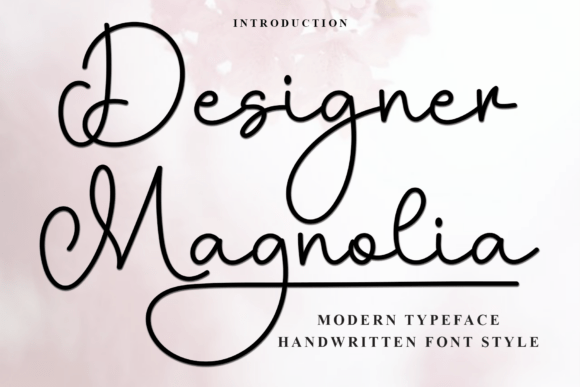
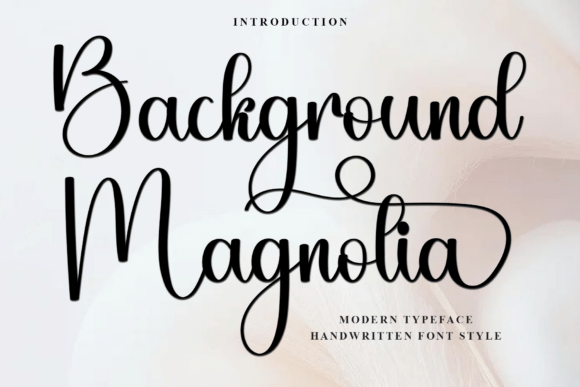
Background Magnolia is a handwritten script font that brings a casual yet modern feel to digital design. Its fluid strokes and natural curves make it ideal for web projects that need a personal touch without sacrificing clarity.
As a web designer, I look for fonts that can enhance visual hierarchy while maintaining readability. Background Magnolia excels in this area, offering a unique personality that works well in headers, call-to-action buttons, and decorative elements across various platforms.
Visual Characteristics and Digital Appeal
Background Magnolia has a soft, organic flow that mimics real handwriting. This makes it perfect for branding that aims to feel approachable and authentic. The font’s subtle variations in stroke weight add depth, making it stand out in digital layouts without overwhelming the viewer.
Its versatility allows it to blend into different design styles. Whether paired with a clean sans serif or used as a standalone display font, Background Magnolia adds character to any project. It’s particularly effective in creating a warm, inviting tone for websites focused on lifestyle, wellness, or creative services.
Applications in Web Design
Using Background Magnolia in website headers can immediately set the tone for a brand. For example, a creative portfolio site might use it for the main title, giving visitors a sense of the designer’s aesthetic. In landing pages, it can highlight key messages or CTA buttons, drawing attention without being distracting.
In online stores, Background Magnolia can be used for banners or product titles, adding a personalized feel to the shopping experience. For blog graphics, it helps create visually engaging headlines that catch the eye while remaining easy to read.
Readability and User Experience
While Background Magnolia is a script font, it maintains good legibility at larger sizes. This makes it suitable for headings and short phrases where clarity is essential. However, it’s best avoided for body text, where a more structured typeface would be more appropriate.
On mobile screens, the font performs well when used sparingly. Its curves remain distinct even on smaller displays, ensuring that the message remains clear. When used on dark backgrounds or image overlays, the contrast should be carefully considered to maintain visibility.
Best Use Cases
Background Magnolia shines as a display font rather than a body font. It’s ideal for hero sections, section headings, and logo text, where its personality can be fully appreciated. For example, a coaching website might use it in the hero section to emphasize the brand’s mission or values.
It also works well as a decorative accent in design assets like social media graphics or email templates. When paired with a simpler font, such as a sans serif, it creates a balanced composition that’s both stylish and functional.
Font Pairing Strategies
Pairing Background Magnolia with a clean, modern sans serif can create a strong visual contrast. This combination is great for landing pages or course sales pages where readability and aesthetics are both important. A serif font could also be used for a more editorial feel, especially in blogs or content-heavy sites.
When choosing a pairing, consider the overall tone of the brand. A luxury boutique might pair it with a classic serif, while a tech startup could use it alongside a geometric sans serif for a contemporary look.
Practical Considerations
Before using Background Magnolia in a project, check the available styles, weights, and file formats. Ensure that it supports the languages your audience uses, especially if your site targets international markets.
Webfont availability is crucial for seamless integration. If the font is available as a webfont, it can be easily embedded into a site without relying on system fonts. Always confirm the licensing terms, especially if the font will be used for commercial projects or client work.
Brand Identity and Consistency
Consistent typography is key to building a strong brand identity. Background Magnolia can help reinforce a brand’s voice, whether it’s playful, professional, or artistic. Using it across multiple touchpoints—such as website headers, social media posts, and email newsletters—creates a cohesive visual language.
For digital product creators, this font can be a valuable addition to their design toolkit. It offers a way to express creativity while maintaining professionalism, making it suitable for everything from SaaS landing pages to e-commerce sites.
Conclusion
Background Magnolia is a versatile script font that adds warmth and character to digital design. Its natural flow and modern appeal make it a great choice for web designers looking to enhance their layouts with a personal touch. Whether used in headers, logos, or decorative elements, it contributes to a more engaging and memorable user experience.